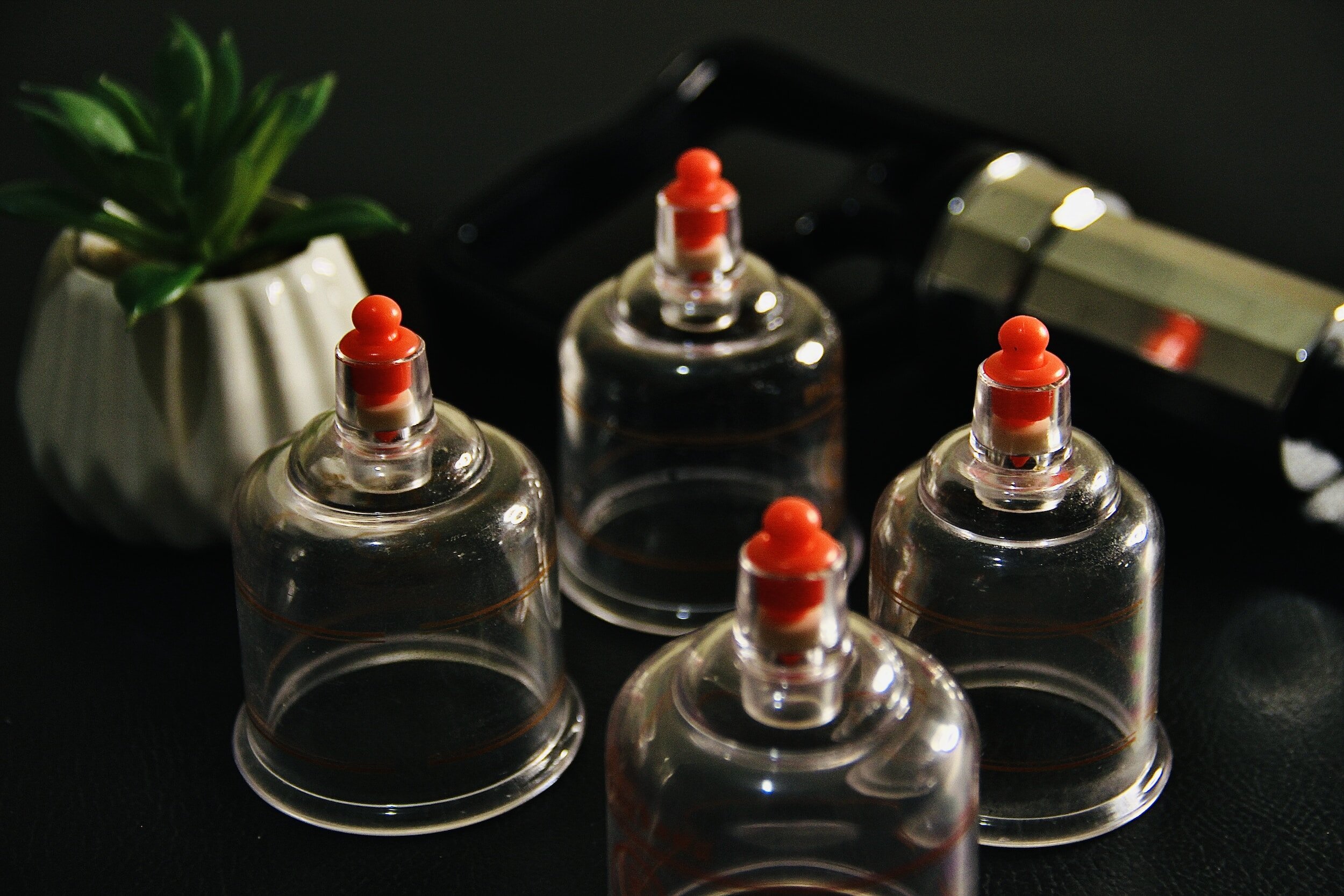
Hijama: Where Ancient Wisdom Meets Modern Wellbeing
Discover the traditional practice of Hijama (wet cupping) — a personalised approach designed to support circulation, relieve tension and encourage your body’s natural balance and vitality.
Ancient Wisdom, Modern Practice
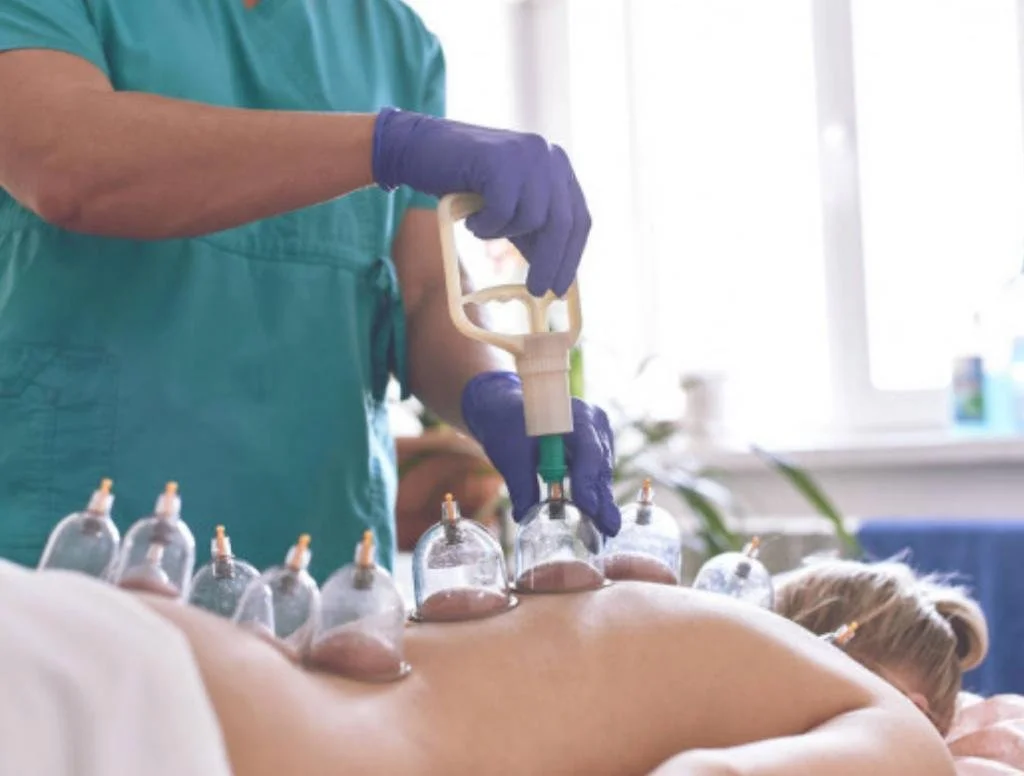
Hijama (wet cupping) is a centuries-old therapeutic practice with a particularly important place in Islamic healing tradition, while different forms of cupping have also been used across many cultures throughout history.
The practice involves the controlled application of specialised cups together with small, superficial skin incisions. Today, Hijama continues to be practised internationally, including within complementary healthcare settings and, in some countries, clinical and medical environments.
Hijama can be performed on different areas of the body, with the choice of points tailored to the individual and the purpose of the session.
Traditionally, Hijama has been used for a wide range of health and wellbeing purposes. Today, people commonly seek it for muscular tension and discomfort, relaxation, recovery, circulation support and general wellbeing.
At Vita Magna, every Hijama session is approached individually, with careful consideration of the client’s needs, health history and overall wellbeing.
Hijama May Be Used to Support:
💪 Joint & Muscle Discomfort
❤️ Healthy Circulation
🤕 Headaches & Migraines
💥 Joint Stiffness & Musculoskeletal Wellbeing
🤧 Respiratory & Seasonal Wellbeing
😓 Stress, Tension & Relaxation
🏋️ General Health & Wellbeing
✨ Aesthetic & Skin Wellness

-
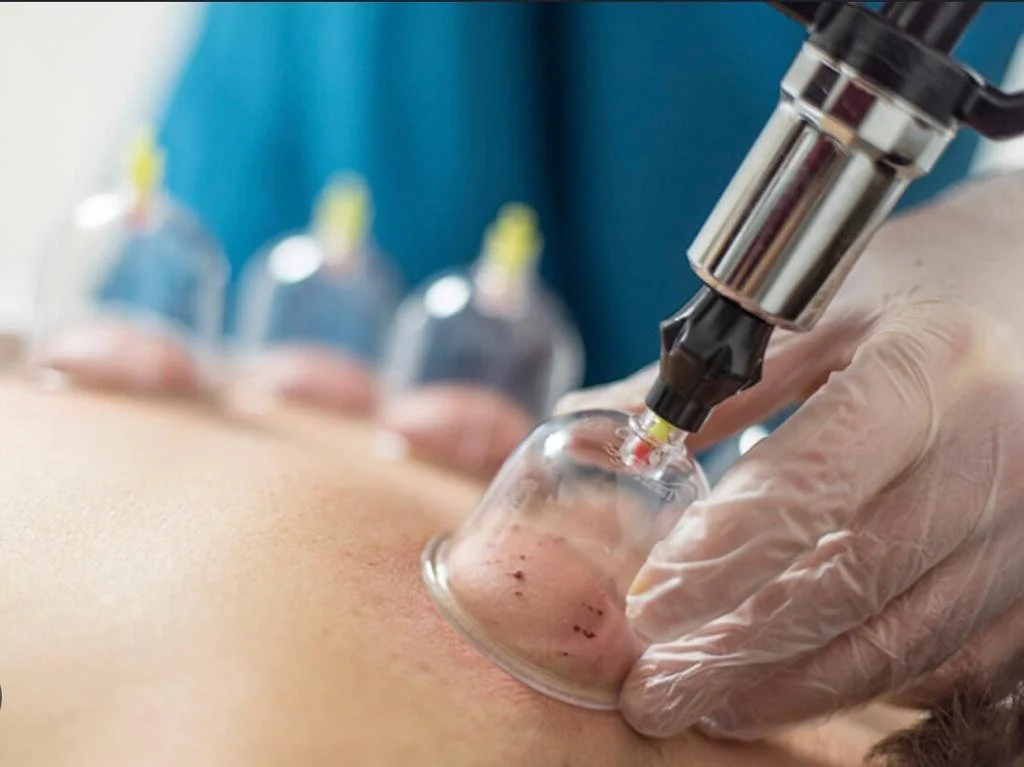
Hijama can be safe when performed by a qualified specialist and following hygienic standards. However, incorrect execution or low-quality equipment can pose health risks, including infections.
-
Hijama may cause some discomfort or pain, especially during skin punctures and the creation of a vacuum in the cups. However, the level of pain depends on each person's individual sensitivity.
-
The frequency varies depending on medical indications and the doctor's recommendations. Typically, it can be done every few weeks or on an individual basis to address specific issues.